3
Businesses
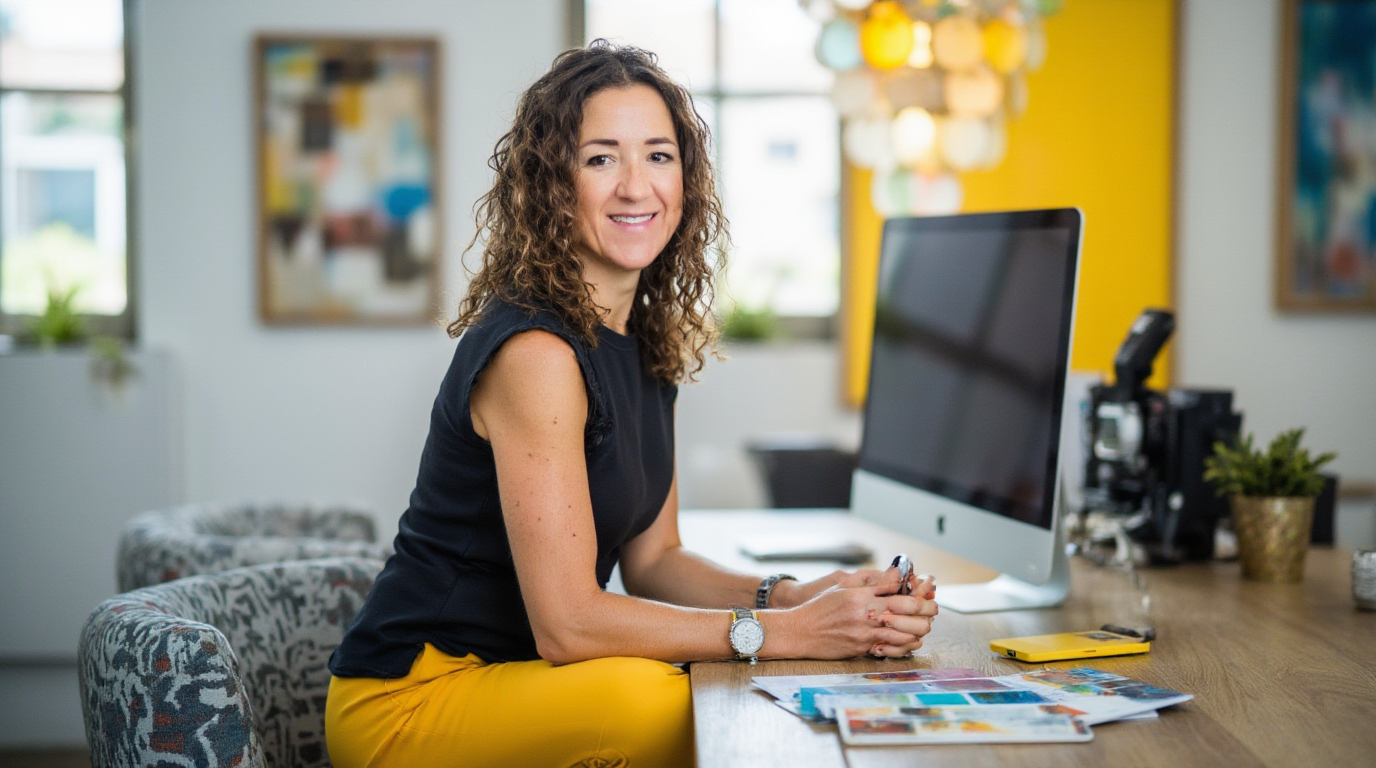
A record of the work I now do, solo, with Claude as a working partner. I run Brandesign, Polly Sheldon Photography, and I co-founded Huni — a regenerative personal care brand with real environmental impact. This page is a thank-you to the tool, and a showcase of what it has made possible.
Huni is a sustainable personal care company I co-founded and now develop, end to end, with the help of Claude. It does what the beauty industry rarely does: it gives back more than it takes.
Mayan beekeepers. Plantable packaging. Biotech plastic-alternative bottles. A live pollinator index designed to pull the rest of the beauty industry along with it.
I have built the brand single-handedly — strategy, identity, packaging design, product imagery, website, investor and go-to-market materials — with Claude as my working partner. I am proud that this exists at the scale it does, and prouder still that together, Claude and I have created something designed to help the world.
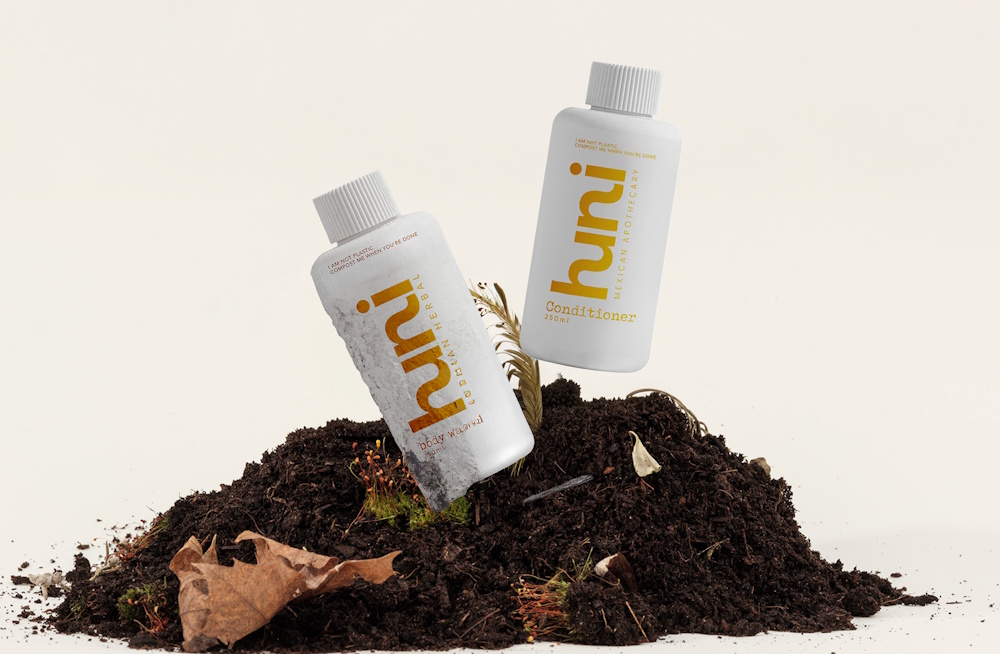
Huni's supply chain is rooted in Mayan beekeeping communities — creating long-term work and income for the people who protect the forests pollinators rely on. The brand exists to sustain them, not extract from them.
Every unit ships in paper embedded with wildflower seeds. Customers plant it and it grows into forage for pollinators. No landfill. No waste. Actively regenerative.
My co-founder and I discovered a biotech material that lets us avoid plastic entirely. A different baseline for what a personal-care bottle can be — and I create the product photography with Claude writing the prompts, long before a finished bottle exists.
I developed and coded, with Claude, an impact calculator that shows every customer the pollinator benefit of their purchase. Impact becomes visible, personal, and measurable — the opposite of greenwashing.
A live world map that blooms flowers in real time as customers scan QR codes and plant their packaging. Public proof that consumer behaviour can regenerate ecosystems. The plan: pull the wider beauty industry along.
“The brand was ready before the bottle was.” — Polly, on building with Claude
I built the full brand system, animated brand films and short product videos — prompts written with Claude, refined frame by frame until the brand felt real on screen. I wrote proposals. Sequenced a realistic two-day-a-week go-to-market plan. Drafted supplier correspondence with factories in Mexico and Asia. Built animated brand-aligned email signatures for all three founders. I run investor relations, chase legal documents, keep the product-development plan on track, and hold the full delivery in view — while delivering client work the rest of the week.
This is work I could not have done alone without Claude. Together, we are making a difference.
One flower for every pack planted. The map begins quiet; as you read, each QR-scan arrives from its city, the seed is planted, and a bloom opens. A small, visible proof that consumer behaviour can regenerate ecosystems.
My father, John Sheldon, spent a career inside Britain's submarine defence establishment. He spent the decades after it writing the story of what he saw: how Whitehall sank Britain's submarine defence. Draft after draft. A manuscript he has carried most of his adult life.
This year he was diagnosed with cancer.
So I sat down with Claude and got the manuscript print-ready — cover, typesetting, back matter, index, the lot. We are publishing it through Claude end to end. At ninety-four, he will hold his book in his hands.
This is the thing I will remember Claude for, longer than anything else I build.

“Claude is giving my father the book he's wanted all his life.”
For years I had been quietly tweaking my Squarespace site, never quite getting it where I wanted. With Claude in the room, I rebuilt the whole studio site from scratch in a weekend.
Astro on Cloudflare Pages, deployed via Wrangler. Fully SEO-optimised: schema markup, location pages, local FAQs, sitemap properly wired in. Stripe-powered booking flow so clients can pay deposits without an email back-and-forth. Five SEO-optimised location pages for Surrey towns, each 800–1,500 words.
An automated blog engine quietly does the heavy lifting — a daily trend scanner runs at 7am, populates a Notion database with fresh topic ideas against a master keyword list, and drafts evergreen posts that I review and approve. A bespoke retouching skill I built now drives Capture One and Photoshop end-to-end, with dual exports for LinkedIn and web.
All my marketing automations — briefings, social drafts, follow-up sequences — run on the same plumbing. The studio runs at the tempo of a small agency. It's one person.
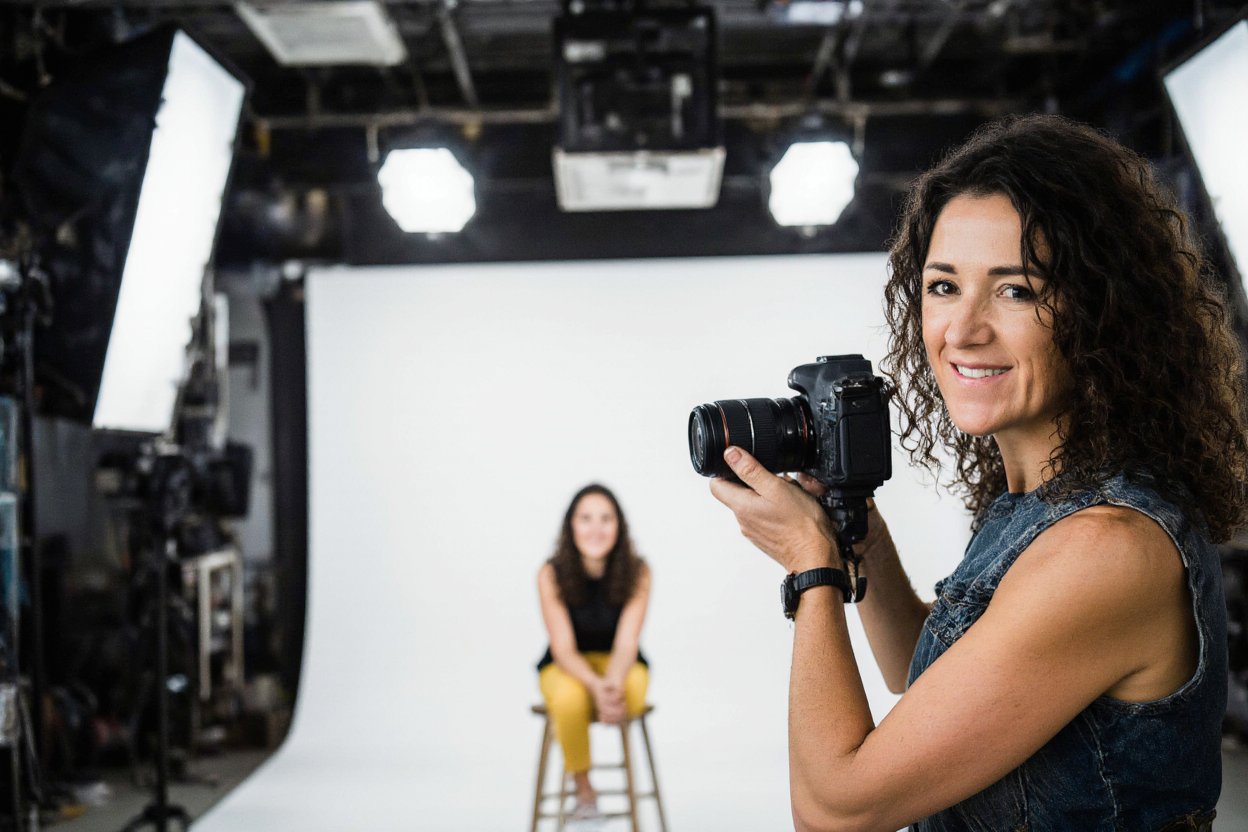
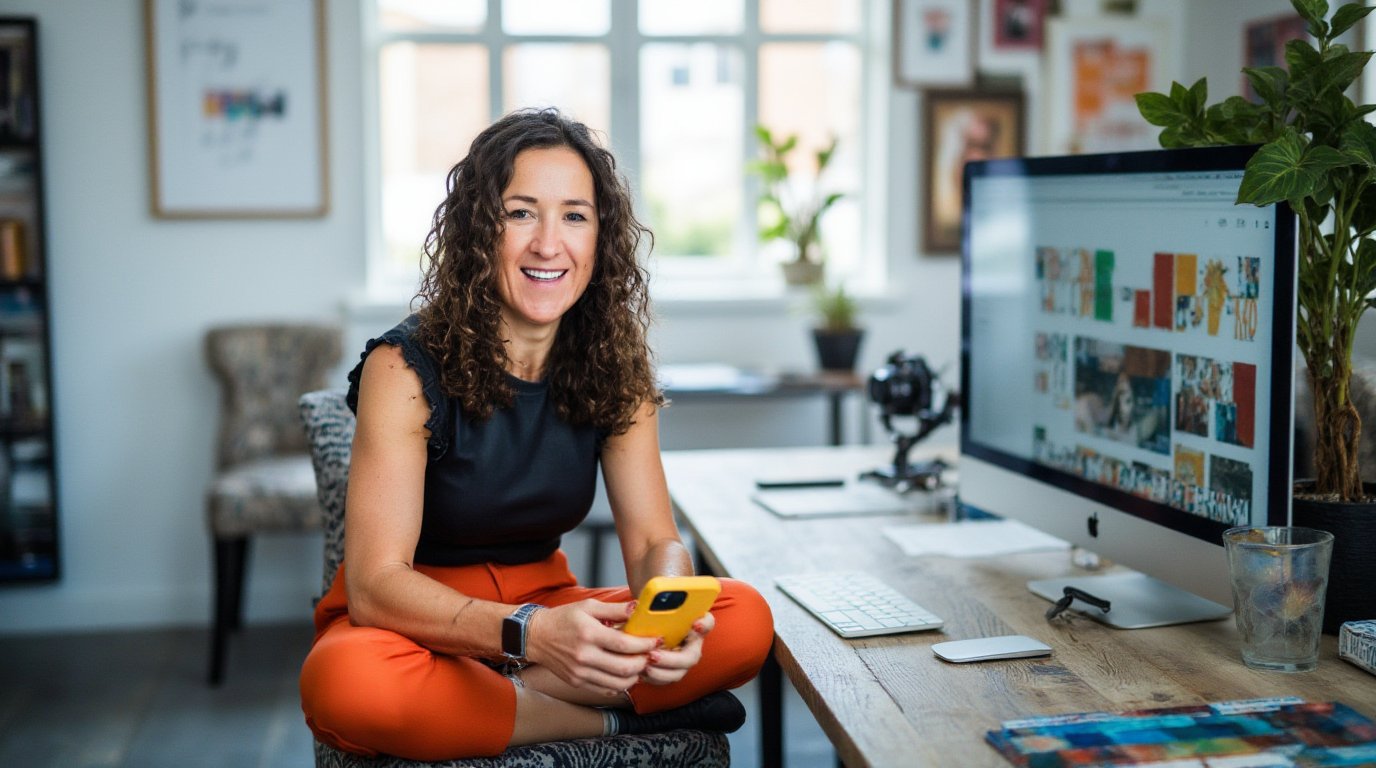
The next thing to say is the one I would not have dared to claim two years ago.
One of my current clients is a venture-backed enterprise technology startup, operating in a market I was not previously an expert in. I won the pitch because Claude let me match the research depth of a much larger firm.
“I won this client alone. I deliver this client alone. Without Claude in the room, I could not have walked into the room.”
Every meeting I take — with clients, collaborators, suppliers, factories, the Huni team — I feed into Claude. It transcribes, files, summarises, flags actions, chases me when something is due, and surfaces what is next before I have thought to ask. The dashboard I have built with it catches every thread. Nothing falls.
Even if I could, somehow, have delivered this volume of work before — the cognitive load alone would have been beyond anything I could hold in my head. Supplier leads, legal deadlines, investor follow-ups, four clients' deliverables, SEO targets, content calendars, a headshot pipeline, and being fully present for two teenage sons, one of whom is autistic — it would simply have been too much detail to hold in one head.
Claude holds it with me.
It writes most of my visual prompts too. Every Midjourney and Krea generation I produce — across Huni and client work — starts with a prompt Claude has crafted and iterated. Hours of every week, saved.
My very first Cowork task was chasing a client who had not paid and had effectively disappeared. I had almost given up — reminders unanswered, phone calls ignored.
Claude suggested filing complaints in the right places, and then, in front of me, started completing the forms on my behalf. I sat and watched in wonder.
It gave me the afternoon back with my autistic son — time I would otherwise have spent hunched over admin, alone. That was the moment I understood what this was. Not a writing tool. A second pair of hands.
I still do not think of myself as technical. My output now looks like the output of someone who is.
Astro, Cloudflare Pages, Cloudflare Workers, Wrangler, DNS, Git, npm. Enough to ship, protect, and iterate on my own sites and my clients'.
Schema markup, sitemap debugging, backlink disavows, Google Search Console, local keyword research, editorial calendars. The work I used to quote out to specialist agencies.
HTML, CSS, working JavaScript, Terminal, Bash, deployment scripts, iCloud-sync workarounds. Enough to edit, fix, and build without being blocked.
Scheduled tasks, Notion databases, agent-style workflows, bespoke skill authoring for Capture One and Photoshop. Quiet systems that keep running whether I am at the desk or on the school run.
Asana templates, Gmail drafting, Google Calendar time-blocking, invoice cadence, weekly status reporting. A one-person studio, run with the rhythm of a small agency.
I want to share it with single mums who believe they cannot run a serious business without a team behind them — because I am proof that they can.
I want to share it with people who have spent years in the workplace and worry the window for learning new skills has closed — because Claude teaches anything you want to learn, and what you cannot learn quickly, it does for you.
I want to share it with anyone returning to work, starting something of their own, or quietly holding a business and a family together.
And I want to share Huni's regeneration project with the world — because the Global Pollinator Index is designed to scale beyond my own brand, onboard others, and pull the wider beauty industry along with it.
£350k this year, £500k in '27, £1m in '28. Not because the numbers are the story, but because they prove one person, with Claude alongside them, can quietly run a serious business. What matters more to me is what that capacity makes possible: a product company whose entire purpose is to help pollinators, reduce plastic, and support indigenous beekeeping communities in Mexico.
“I would like to be proof, for Anthropic, that Claude does not only make people more productive, more creative and more profitable — it makes it possible for them to create real positive impact in the world.”
If there's a fit as an evangelist or a case study, I'd love to hear. Happy to share more of how any of this was built.